The Publishing Times
All the News That’s Fit to Publish
book-awards · Guides
Horror Novels Filled With Slow- Burn Dread
Explore the rise of horror novels with slow-burning dread, emphasizing character depth and psychological terror over jump scares.
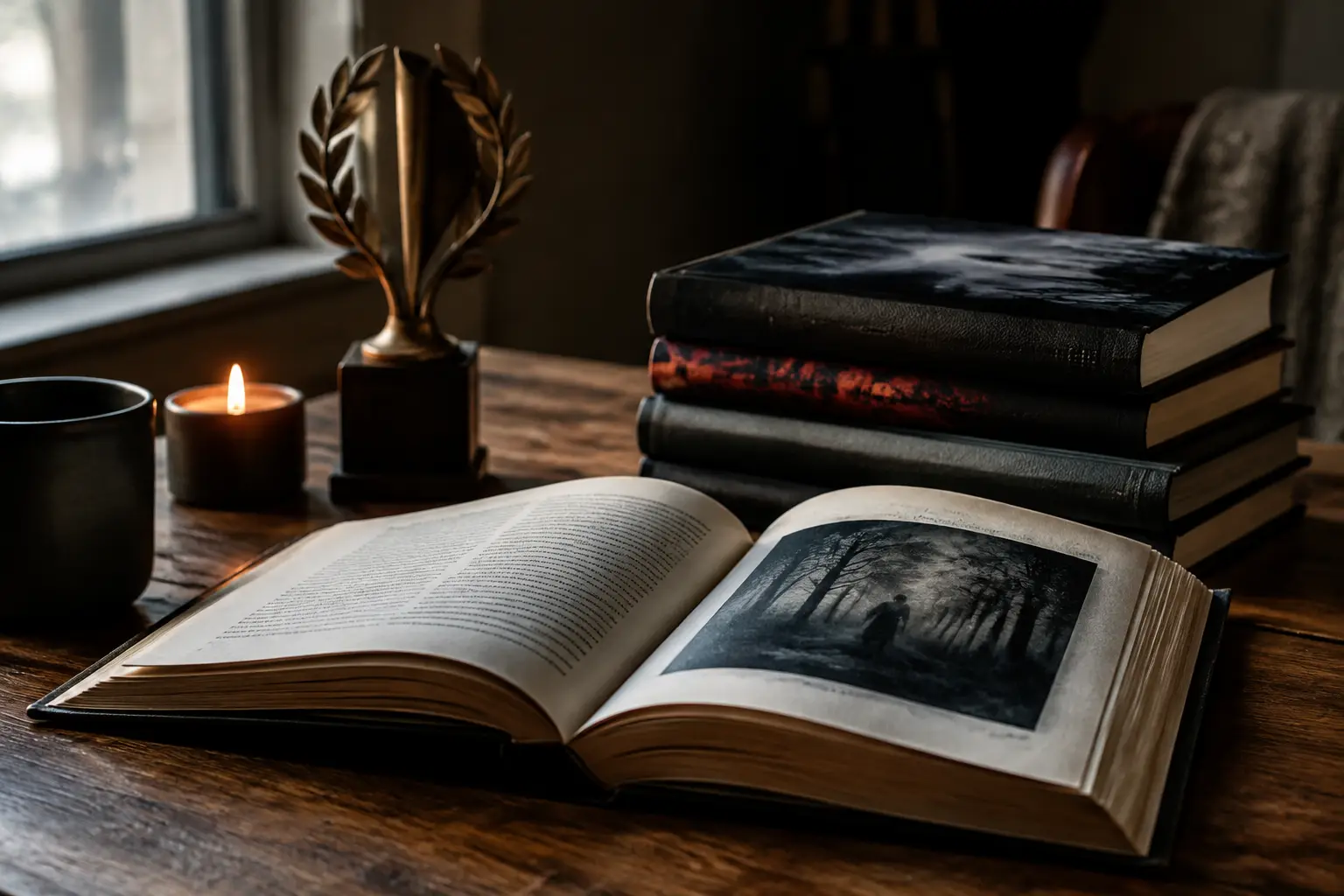
The Rise of Slow-Burn Horror Novels
Here is an illustrative example: on a chilly autumn evening in 2023, a reader named Helen curled up in her favourite armchair with a macabre tale by Stephen Graham Jones. As she immersed herself in the narrative, a palpable tension unfurled, growing as slowly and surely as the shadows outside her window. This experience marks a growing trend in the world of horror literature, where the emphasis is shifting from jump scares to a more gradual build of psychological dread.
The Shift in Horror Storytelling
The horror genre is undergoing a notable transformation, one that resonates with a wider audience. Recent works by authors like Tananarive Due and Stephen Graham Jones exemplify this movement towards slow-building tension. Instead of relying on sudden shocks, these authors focus on crafting a menacing atmosphere that seeps into every page, forcing readers to confront their fears in a more profound way.
- Stephen Graham Jones's novels often explore themes of identity and cultural history, creating a sense of unease that lingers long after the book is closed.
- Tananarive Due weaves family legacy and ancestral trauma into her narratives, turning everyday moments into incidents filled with sinister implications.
- This approach encourages readers to invest emotionally in the story, making the eventual horrors all the more chilling.
Why This Matters for Indie Authors
The rise of slow-burn horror presents a compelling opportunity for indie authors. In a climate where attention spans are dwindling, focusing on suspense over shock can engage readers in a unique way. Indie authors, often free from commercial restrictions, can experiment with themes of dread, crafting narratives that linger with readers long after the final page is turned.
Consider a different approach: rather than devising plot lines that chase quick thrills, indie authors could explore the psychological landscapes of their characters, constructing slow-building anxiety that invites introspection. This invites readers to feel with the characters, rather than merely observing their fright.
- Focus on character development: Create characters with depth whose struggles resonate on a personal level.
- Set an eerie atmosphere: Use settings that evoke a sense of dread and foreboding without frequent reminders of danger.
- Build tension over time: Rather than resolving conflicts quickly, allow them to simmer, creating mounting anxiety.
The Reader’s Experience
For readers like Helen, the emotional weight of a story is just as important as the narrative itself. When a horror novel takes time to build its tension, it invites readers to engage more deeply with the material. They are not just spectators, but participants in a slow unveiling of terror that feels both personal and relatable.
This form of engagement can evoke discussions with fellow readers, leading to shared experiences that boost word-of-mouth recommendations. A community that thrives on discussions about what truly frightens us—our memories, our personal experiences—raises the genre and enriches the reading experience.
What This Means for Authors
This trend highlights the potential for indie authors to carve out unique spaces within the horror genre. By embracing slow-building dread, they could develop compelling narratives that draw in readers and provoke thoughtful reflections on fear.
Your Next Step
This week, try to incorporate a slow-burning element into a piece you’re writing. Focus on developing atmosphere and psychological tension rather than immediate shocks. Consider how you can draw readers in to experience fear gradually and thoroughly, provoking not just responses, but reflections.
For more inspiration and insights, be sure to check out the piece from The New York Times Books.