The Publishing Times
All the News That’s Fit to Publish
book-awards · Guides
On Thin Ice by Charlie Walker review – a Siberian adventure goes off the rails
Charlie Walker's "On Thin Ice" turns a Siberian expedition into a high-stakes geopolitical drama, offering indie authors a powerful lesson: unique, authentic experiences, even failures, can craft compelling narratives. This review highlights the power of personal stories in capturing reader interest
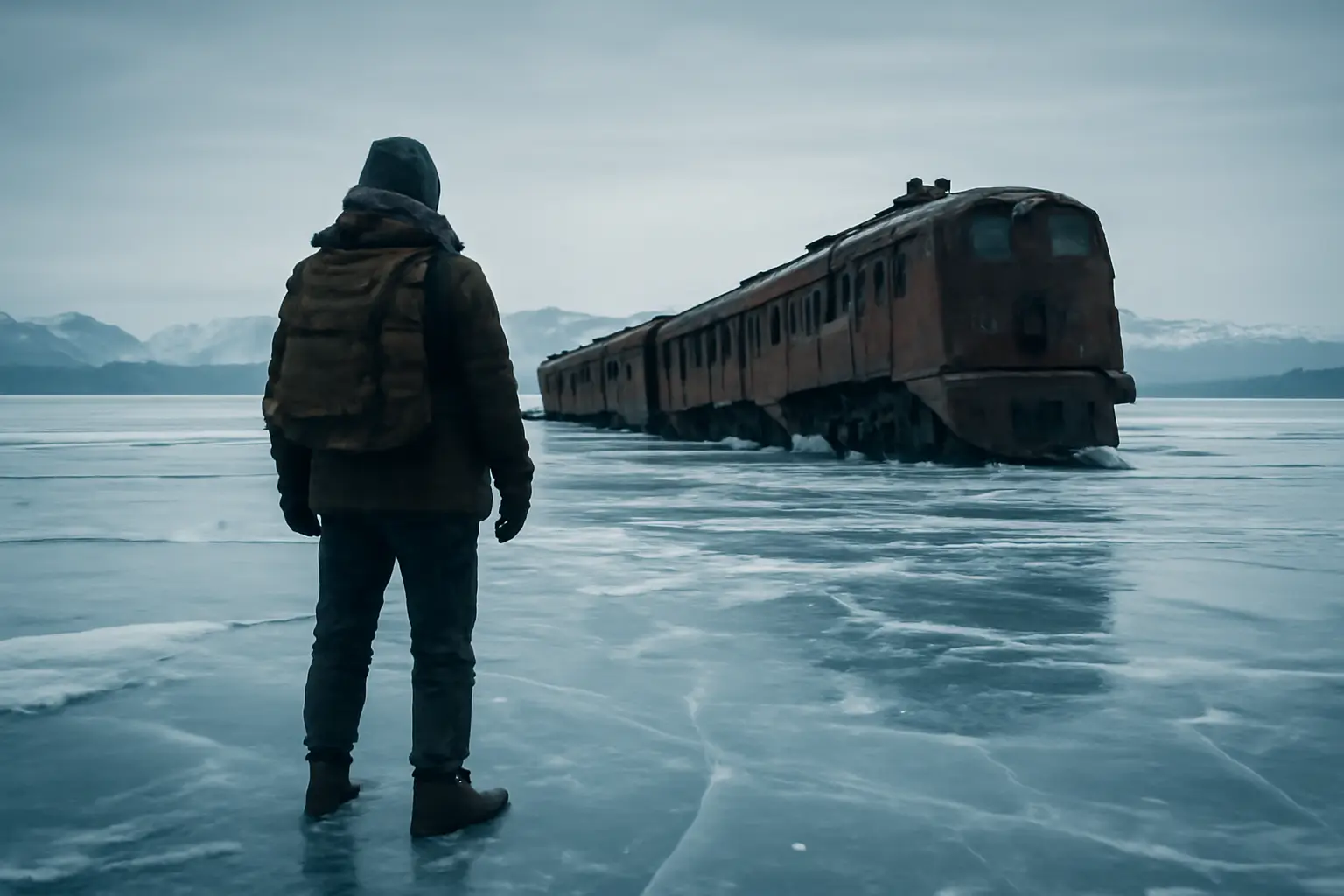
"On Thin Ice": When Extreme Adventures Collide with Global Events – A Masterclass for Indie Authors
Charlie Walker, an award-winning explorer and author, is no stranger to extreme environments. His latest travelogue, On Thin Ice, reviewed recently by The Guardian Books, chronicles an ill-fated sub-zero expedition across Siberia that unexpectedly plunged him into the heart of geopolitical turmoil. What began as a quest to understand a remote region and its people transformed into a high-stakes narrative of survival, surveillance, and imprisonment, offering profound lessons on the fine line between courage and recklessness. This compelling account serves as a powerful reminder for indie authors: authentic, extreme personal experiences, even those detailing challenges and failures, can form the bedrock of narratives that deeply resonate with readers.
The Journey into the "Pole of Cold"
In early 2022, Charlie Walker embarked on an ambitious journey to hike 600 miles along the frozen rivers of Siberia, specifically the Lena River, in the Sakha Republic (Yakutia). This region is renowned as the "Pole of Cold," the coldest inhabited place on Earth, with temperatures plummeting to -50°C and even a record low of -67.8°C. His initial objective was to immerse himself in this harsh yet beautiful landscape, to understand its people, their history intertwined with the Gulag, and their prospects for the future. Equipped with skis, a sled, a tent, and a "comically huge sleeping bag," Walker planned to trek north along the frozen river, then across the Laptev Sea to the port town of Tiksi.
Walker's previous expeditions speak to his adventurous spirit, including a 43,000-mile bicycle ride across three continents, a 1,000-mile solo walk through the Gobi desert, and a river trip down the Congo in a leaky canoe. He is an elected Fellow of the Royal Geographical Society and a Scientific Exploration Society Explorer Award winner, with a reputation for pushing boundaries.
A World Upended: The Invasion of Ukraine
Just days after Walker commenced his journey in mid-February 2022, Russia launched its full-scale invasion of Ukraine on February 24. Walker famously learned of the invasion while in the pasta aisle of a supermarket in Yakutsk, buying supplies. This seismic global event dramatically reshaped the context of his expedition. Initially, the Foreign Office advised against travel to Russia, prompting Walker to consider abandoning his plans. However, he reasoned that Yakutsk was geographically closer to Anchorage, Alaska, than to Kyiv, Ukraine, and decided to press on.
His decision was driven by a unique opportunity: as one of the last Western tourists in Russia, he felt he could "record the thoughts and feelings of ordinary Russian people, neither soldiers nor politicians," offering insight into the "silent majority" far from the front lines. This shift transformed his travelogue into something far more profound and dangerous.
From Adventure to Ordeal: Surveillance and Imprisonment
As Walker continued his trek, camping in extreme cold and visiting dwindling communities of Sakha pastoralists and Eveny reindeer herders, the topic of the "Special Military Operation" became increasingly unavoidable. He encountered a wide range of opinions among the locals, navigating a landscape where politics were "as deep as the snow and as slippery as the ice".
What began as an adventure gradually descended into a "paranoid nightmare" as Walker began to suspect he was being monitored by Russian authorities. Upon completing his hike to Tiksi, his suspicions were confirmed. He was arrested on spurious allegations, including "committing journalism" while on a tourist visa and photographing sensitive military sites. Walker spent four weeks behind bars in a Siberian prison, an experience he found "inordinately harder to bear than the preceding two months of sleeping in a tent in cold that quickly kills". His trial was perfunctory, the appeal brief, leading to his conviction and immediate deportation, along with a five-year ban from returning to Russia.
The book, On Thin Ice, masterfully juxtaposes the "harsh beauty of a Siberian winter" with a "thriller-like series of events" that exposes the "dark heart of Putin's propaganda machine". Critics have praised it as both an extraordinary record of an extreme journey and a powerful insight into a deeply troubled nation. Colin Thubron, author of The Amur River, called the trek "almost insanely intrepid and dangerous" and noted its "invaluable experience of Russian reactions to the war against Ukraine". Benedict Allen described it as reading "more like a Soviet-era spy thriller than travelogue".
The Power of Personal Experience for Indie Authors
Charlie Walker's On Thin Ice offers a compelling blueprint for indie authors seeking to craft narratives that captivate. The review highlights how a "compelling, high-stakes narrative, even one detailing challenges and failures, can capture reader interest." This is a crucial takeaway for self-published writers.
Embrace the Unique
Walker's story isn't just about travel; it's about a unique personal experience amplified by unforeseen global events. For indie authors, this underscores the value of leaning into what makes their own life experiences distinct. Whether it's a challenging career, an unusual hobby, a profound personal transformation, or a journey (literal or metaphorical), these unique elements can be the foundation of a compelling memoir or narrative non-fiction. The key is to identify what sets your story apart and how it can offer readers a perspective they haven't encountered before.
Authenticity Over Perfection
The review emphasizes that the narrative details "challenges and failures." This is vital. Readers connect with authenticity. A story that glosses over difficulties or presents a flawless protagonist often feels less relatable and engaging. Walker's account of his arrest and imprisonment, his suspicions of surveillance, and the inherent risks of his endeavor make the narrative more human and impactful. Indie authors should not shy away from the messy, imperfect, or even uncomfortable aspects of their experiences. These are often the very elements that create depth and foster a stronger connection with the audience.
High Stakes and Conflict
Every good story needs conflict. In On Thin Ice, the stakes escalated dramatically from battling the elements to navigating a hostile political landscape. For memoirists, identifying the central conflict or "defining struggle" is paramount. This doesn't always have to be an external, life-threatening situation. It can be an internal struggle, a quest for a goal, or overcoming significant personal obstacles. The conflict provides the narrative backbone and keeps readers invested. Think like a novelist, even when writing non-fiction, by creating tension and suspense.
Show, Don't Just Tell
Travel writing, and indeed all memoir, benefits immensely from vivid descriptions and sensory details. Walker's descriptions of the Siberian winter, the -50°C temperatures, and the remote communities undoubtedly transport the reader. Indie authors should strive to paint detailed pictures, using all five senses to bring their memories and experiences to life. This allows readers to connect emotionally and feel as though they are experiencing the journey alongside the author.
The Unexpected Narrative Arc
Walker's book took an unexpected turn from a pure adventure travelogue to a story of political intrigue and personal peril. This demonstrates how real-life events can shape and even redefine a narrative. For authors, this means being open to how their story evolves. While planning is essential, sometimes the most compelling parts of a story emerge from unforeseen circumstances. It highlights the importance of adaptability and allowing the narrative to follow its most engaging path, even if it deviates from initial intentions.
What This Means for Authors
For indie authors and self-publishers, On Thin Ice offers several critical lessons in crafting compelling non-fiction:
- Your Unique Story is Your Greatest Asset: Don't underestimate the power of your personal experiences. What might seem ordinary to you could be extraordinary to a reader. Dig deep into your life for moments of challenge, triumph, or unique insight.
- Authenticity Builds Connection: Readers crave genuine narratives. Be honest about your struggles, your fears, and your growth. This vulnerability creates a powerful bond with your audience.
- Structure Like a Novel: Even in non-fiction, applying fictional storytelling techniques—such as developing characters (even real ones), building tension, and focusing on a central conflict—can make your memoir or travelogue far more engaging.
- Immerse Your Reader: Use descriptive language and sensory details to transport your reader into your world. Make them feel the cold, hear the sounds, and experience the emotions.
- Embrace the Unexpected: Life rarely follows a perfect script. Be prepared to adapt your narrative if real-world events or personal revelations shift the focus of your story. Sometimes, the "off-the-rails" moments are the most captivating.
- Reflect and Analyze: Walker's book isn't just a recounting of events; it's a reflection on courage, recklessness, and the political landscape. Encourage readers to reflect on the deeper meanings of your experiences.
In essence, Charlie Walker's Siberian adventure, as reviewed by The Guardian Books, provides a masterclass in transforming personal, high-stakes experiences into a narrative that is not only thrilling but also deeply insightful. It's a testament to the enduring appeal of human stories, especially when told with courage, honesty, and a keen eye for the unexpected.
"The journey would be different now... As one of the last Western tourists in Russia, I was presented with a unique opportunity... to record the thoughts and feelings of ordinary Russian people, neither soldiers nor politicians. Living far from the front lines, their various opinions would provide insight into the silent majority of 144 million citizens. This seemed worth the risk of remaining inside a police state where already-limited freedoms of expression could evaporate overnight." — Charlie Walker, On Thin Ice
Source Attribution: This blog post is based on a review from The Guardian Books. Read the original review here.
What are your thoughts on turning extreme personal experiences into publishable narratives? Share your insights and challenges in the comments below!