The Publishing Times
All the News That’s Fit to Publish
industry · Guides
Will Readers Buy Any of the New Kindle 2026 E-Readers?
Amazon’s 2026 Kindle release reshapes the e-reader scene, offering AI-driven features that indie authors must leverage for reader engagement.
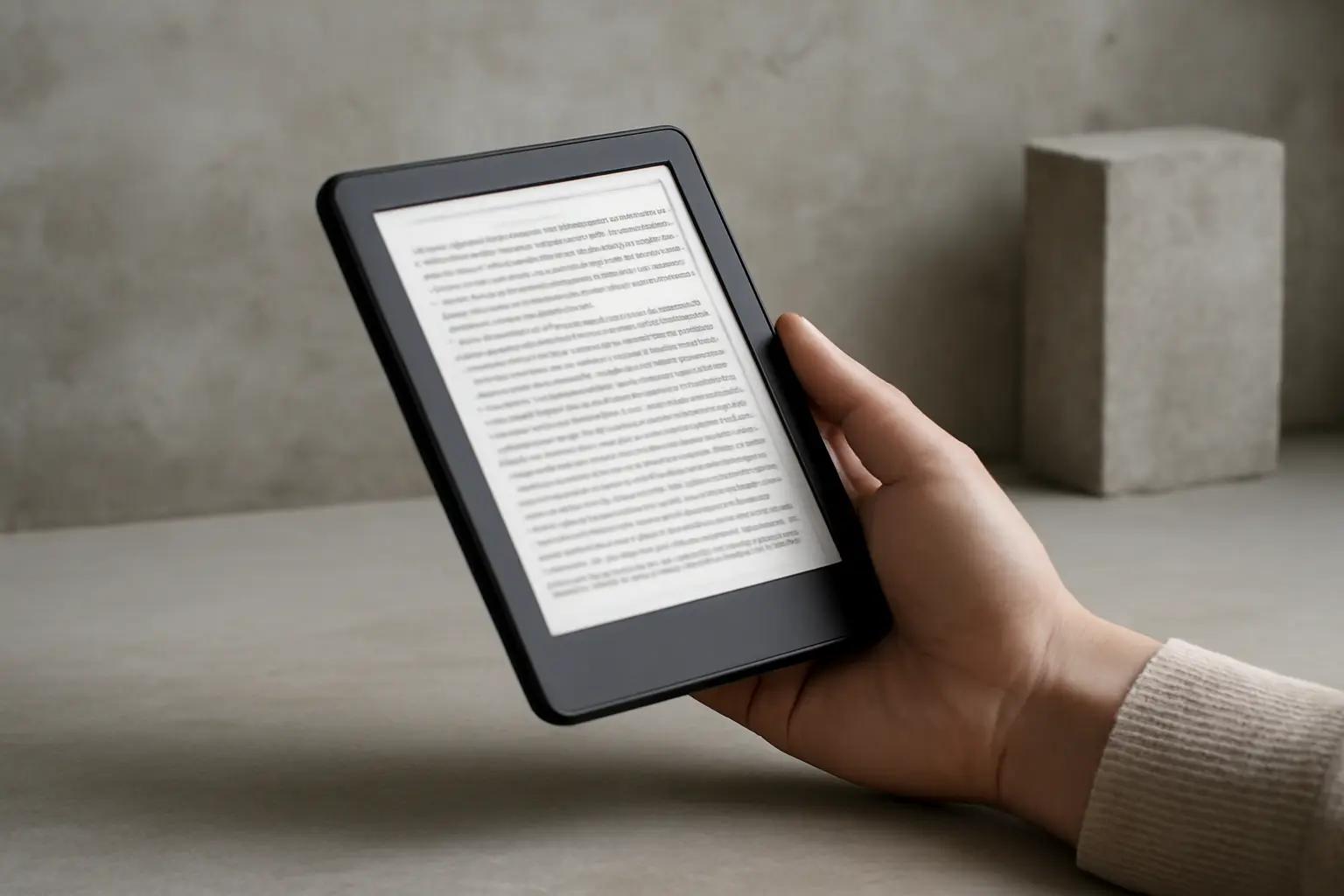
New Horizons: The 2026 Kindle E-Readers Unveiled
In the fast-moving e-reader business, the 2026 lineup marks a new chapter for devoted readers and savvy indie authors alike. Amazon's latest lineup includes updated versions of the popular Kindle Paperwhite and the bright, unusual Colorsoft. The company presents them as more than another small step in hardware. They are pitched as a bold leap that could change how books are read and enjoyed.
The Technological Evolution
The Kindle line has long been a fixture in literary circles and in homes around the world. The new models arrive with promises of faster performance, color-rich displays, and a set of features meant to improve the reading experience.
- Kindle Paperwhite: Amazon calls the new Paperwhite screen its largest Paperwhite display, with its highest contrast ratio, and the model is thinner and lighter than before. It is meant to be easier on the eyes.
- Colorsoft: This model brings color to e-reading. Readers can expect vivid illustrations and strong graphics, which should please fans of graphic novels and children's books.
- Advanced Battery Life: The changes are not only visual. Battery improvements mean longer reading between charges, which suits readers who settle in for long sessions.
Why This Matters for Indie Authors
Every advance in reading technology gives indie authors a fresh chance to reach readers and raise the quality of their work. The features in the 2026 Kindle range invite authors to think about how their books might adapt to take advantage of them.
The possibilities are wide. Sharper images let writers add carefully designed visuals to their storytelling, especially in books with complex themes or plots that gain from illustration. A romance novel might use color palettes that track its emotional arc. A science fiction thriller might include graphic timelines or character maps that deepen the reading experience.
A New Opportunity for Engagement
Engagement keeps a story alive. The new Kindle features give authors a larger toolkit, and several approaches are worth considering:
- Interactive Content: Color and crisp visuals make richer formats more appealing, such as illustrated timelines or maps placed inside an ebook, within what Kindle's formatting supports.
- Enhanced Visual Storytelling: Authors can team up with illustrators on books that combine text and images in lively ways, producing immersive experiences that recall graphic novels.
- Targeted Marketing: As the Kindle handles multimedia formats more smoothly, authors may also want marketing plans built around tailored social media teasers that use visual elements to draw a wider audience.
Technology has changed the book, and indie authors hold the pen in what comes next.
Potential Pitfalls
New technology always carries risk. Each new device asks readers to learn a fresh interface and new functions, and that can put off people who like things simple. Indie authors would be wise to stay alert and take the time to understand the changes. The goal is to use new features to add depth to a story, not to treat them as gimmicks.
The Future of Reading
One thing seems clear as the market shifts: reader expectations will shift too. Upgrades across the Kindle range are likely to sharpen the appetite for inventive, powerful storytelling. Indie authors now stand where traditional narrative meets modern technology.
The open question is how authors will respond. Some will stay with conventional storytelling. Others will take up the new features and write stories that reach the heart while blooming in color. Each author will have to make that choice.
What This Means for Authors
For self-published and independent authors, this is a moment full of potential. The Kindle's evolution offers a canvas for richer creative expression. It also fits a wider trend toward reader engagement and a growing expectation of interactivity. The authors who succeed will be the ones who adapt, experiment, and above all connect with readers, turning each new feature into a way to engage more deeply. Now is a good time for authors to learn about the new technology and picture how it could lift their stories.
The indie author community thrives on disruption, creativity, and new ideas. The 2026 Kindle line is more than another e-reader. It is a doorway to an exciting future, waiting with open pages.
As always, The Publishing Times welcomes reader responses. The questions for authors are how they plan to use these new Kindle features in their storytelling, and what ideas the devices are sparking.