The Publishing Times
All the News That’s Fit to Publish
book-awards · Guides
Zoe Kazan's 'East of Eden' centers Steinbeck's dynamic Cathy with an impressive Florence Pugh
Netflix's adaptation of East of Eden highlights the power of redefining classic narratives. Kazan's portrayal of Cathy Ames invites deeper engagement.
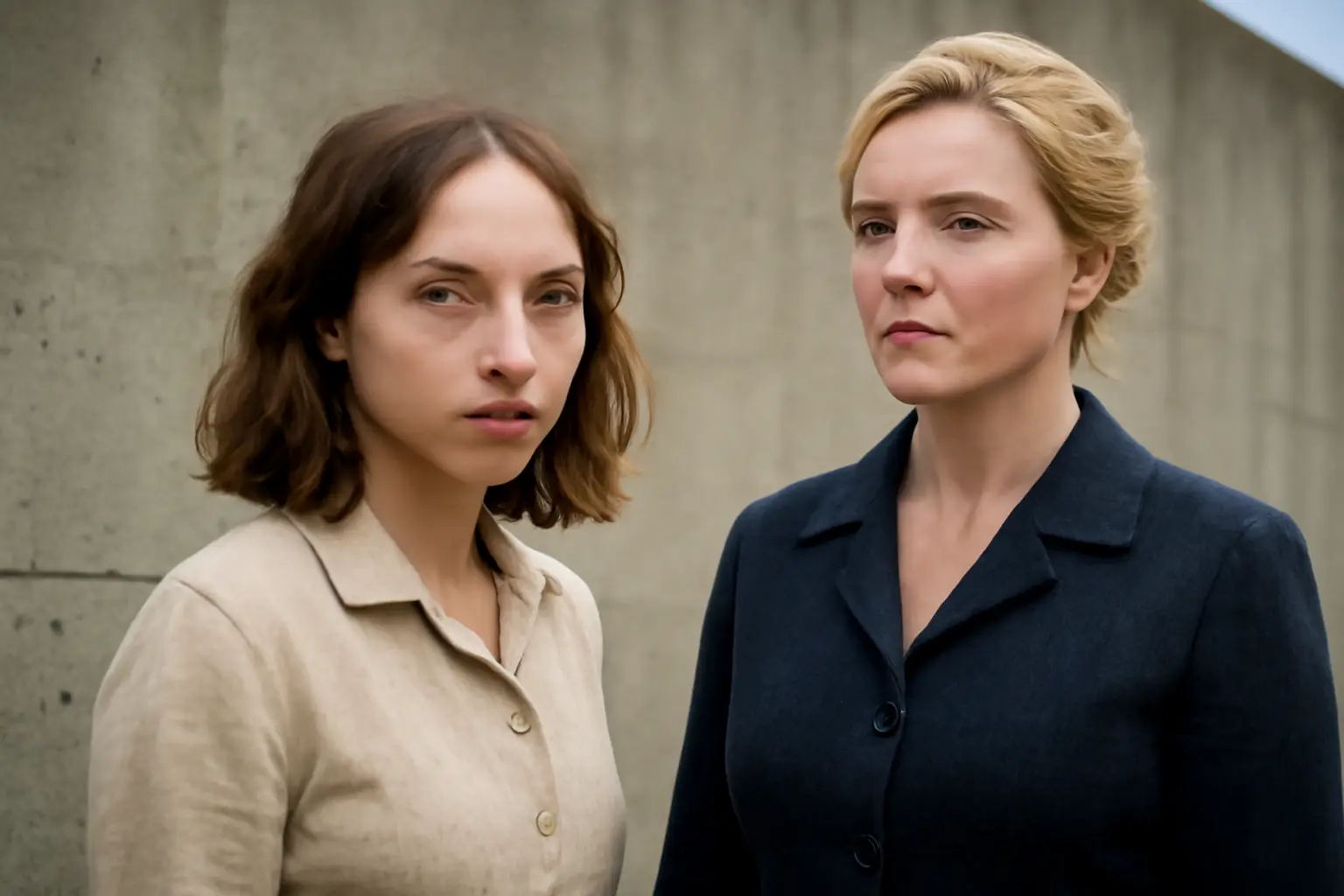
The Bold Reimagining of a Classic: Zoe Kazan's 'East of Eden'
Netflix has a habit of breathing life back into classic stories, and its newest project, an adaptation of John Steinbeck's 1952 epic East of Eden, looks set to be a gripping one. The series is written by Zoe Kazan and features a striking turn from Florence Pugh as the notorious Cathy Ames. Its aim goes beyond retelling a story rooted in American literary tradition. It sets out to probe the tangled dynamics of its characters in a way that speaks to a modern audience.
Cathy Ames: The Antiheroine Reimagined
Cathy Ames sits at the center of the adaptation, and her moral ambiguity gives the series plenty to work with. Pugh's performance holds the screen. She turns a figure usually read as a straightforward villain into an enigmatic antiheroine. Through that choice, Kazan pushes back on the traditional reading and exposes how layered human motivation and morality can be.
In Steinbeck's novel, Cathy is cold and manipulative. Kazan's version asks viewers to look at the forces that made her who she becomes. The approach adds depth to the character, and it also fits a wider trend in storytelling, in which familiar figures are reexamined and placed in new context through a modern lens.
A New Perspective on Timeless Themes
The themes Steinbeck wrestled with, identity, family conflict and the struggle between good and evil, still feel current. Kazan's adaptation moves the focus toward Cathy's inner struggles and the social expectations pressed on her. That more careful view opens a fuller understanding of what she does and, in the end, draws out a measure of empathy. As a piece of character work, it is a masterstroke.
For Indie Authors: Lessons in Reinvention
The new interpretation offers a useful lesson for indie authors and self-publishers drawn to the deep well of literary classics. Reinventing a classic story involves more than telling it again. It means studying what drives the characters, asking fresh questions, and challenging the assumptions that have long framed those stories.
- Shift Perspectives: Moving the point of view to a different protagonist or antagonist can revive a story. A familiar tale can change completely when told through the eyes of its supposed villain.
- Deepen Character Complexity: Characters are rarely just good or evil. They sit somewhere along a wide range of human experience. Writers benefit from exploring their characters' backstories and inner lives to build people with many sides.
- Contextual Relevance: Themes that resonate today can be woven into the fabric of a narrative. Conversations about power, gender and morality matter as much now as they did in Steinbeck's time.
Staying True to the Source Material
Bringing a new perspective to a classic still calls for respect toward the core values and message of the original. Kazan appears to have found that balance, honoring Steinbeck's framework while adding modern depth and complexity. The pairing shows how an adaptation can refresh a classic without losing what made it one.
Florence Pugh’s Cathy Ames is neither wholly villainous nor wholly sympathetic, and that nuance is a testament to Kazan’s reimagining.
The Role of Streaming in Literary Adaptation
Streaming now dominates how many people watch, and the power of platforms like Netflix to bring books to the screen is hard to overstate. Bingeable adaptations help create readers who want to meet favorite characters in new settings. As screen adaptations gain influence, indie authors have a real opening to think about how their own stories might be marketed and reshaped for film and television.
Authors who take streaming seriously as a medium can reach new audiences and may even land valuable film adaptations of their own books. Kazan's East of Eden suggests that this is not just a pipe dream. It can be a workable path for storytellers today.
What This Means for Authors
The creative liberties in Kazan's adaptation offer indie authors a rough map for putting reimagined stories to work. Several takeaways stand out:
- Engage with Literary Traditions: The classics are worth embracing rather than avoiding. Authors can ask where their own stories line up with established works and where they break away.
- Character Development is Paramount: The details of a character matter most. Motivations, flaws and strengths, explored with care, are what reveal a character's humanity.
- Consider Adaptability: Writers can keep a visual medium in mind while drafting. Strong characters, gripping plots and thematic resonance all raise a story's potential for adaptation.
The adaptation of East of Eden does more than entertain. It works as a rallying call to writers, both new and established. As writers rethink how they engage with classic literature, the invitation is plain: take on the stories of yesterday and let imagination carry them forward for generations to come.
The Publishing Times invites readers, inspired by this lively reinterpretation, to consider how their own work might shape the literary canon.
For further reading, view the original piece here: Los Angeles Times review.